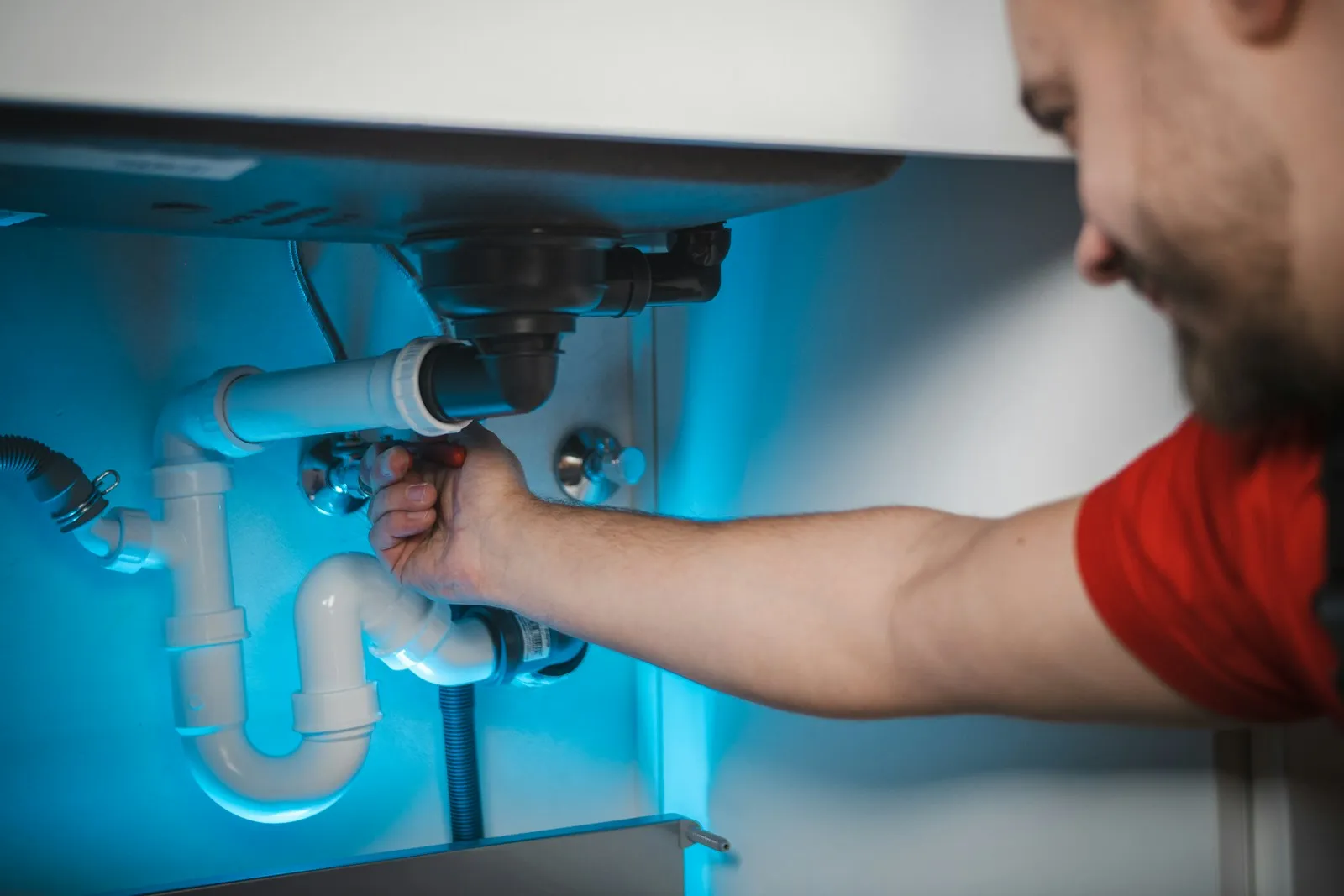
The pricing decision every plumbing company faces
Ask ten plumbing company owners how they price service calls and you will hear passionate opinions on both sides. Some swear by flat-rate pricing. Others believe time-and-materials (T&M) is the only fair way to bill. The truth is that each model fits different kinds of work, and the right choice depends on your mix of jobs, your team and your customers.
How time-and-materials pricing works
With T&M, the customer pays an hourly labor rate for the time spent plus the cost of parts and materials, usually with a markup. Many companies also charge a trip or diagnostic fee.
Advantages
- Simple to set up: you only need a labor rate and a parts markup.
- Protects you on unpredictable jobs where the scope is unclear.
- Feels transparent to some customers, especially commercial clients.
Disadvantages
- Customers can’t know the price until the job is done, which creates anxiety and invoice disputes.
- Fast, skilled technicians earn the company less for the same job than slower ones.
- Customers may watch the clock and question every minute.
- Harder to present options or upsell because there’s no clear price to compare.
How flat-rate pricing works
With flat-rate pricing, each common task has a fixed price that includes labor, parts, overhead and profit. The technician diagnoses the problem, presents the price and gets approval before starting work.
Advantages
- Customers know the price upfront and can say yes with confidence.
- Efficient technicians make the company more money, and you can reward them for it.
- Easy to present good-better-best options, which lifts average ticket.
- Fewer billing disputes and faster payment.
- Consistent pricing across every technician.
Disadvantages
- Requires an up-front investment to build and maintain a price book.
- Prices must be reviewed regularly as parts and labor costs change.
- Can be risky on unusual jobs if techs force them into the wrong task.
Which model is right for you?
For most residential service and repair work, such as drain clearing, fixture repairs, water heaters and leak repairs, flat-rate pricing tends to produce higher close rates, better margins and happier customers. Homeowners overwhelmingly prefer knowing the price before work starts.
T&M still makes sense for large or unpredictable work: remodel rough-ins, commercial service with complex systems, new construction and jobs where the scope can’t be defined until walls are opened. Many successful companies use both, flat-rate for service calls and T&M or bid pricing for projects.
How to build a flat-rate price book
- List your common tasks. Pull your last 12 months of invoices and identify the 50 to 100 tasks you perform most often.
- Know your true hourly cost. Add technician wages, benefits, vehicle costs, insurance, office staff, software and other overhead, then divide by billable hours, not total hours worked.
- Estimate average task time. Use real job history, and include setup, cleanup and a small allowance for typical complications.
- Add parts at a consistent markup. Use a markup scale so low-cost parts are marked up more than expensive equipment.
- Add your target profit margin. Decide on your margin before setting prices, not after.
- Create options. For key tasks, offer good, better and best versions with different parts, warranties or add-ons.
A digital price book lets technicians search tasks, show photos and descriptions, and build options on a tablet in front of the customer.
How to switch without losing customers
- Start with your most common jobs. You don’t need every task priced on day one.
- Train technicians to present, not apologize. Role-play explaining the value of upfront pricing and walking through options.
- Explain the benefit to customers. “You’ll know the exact price before we start, and it won’t change if the job takes longer.”
- Track results. Compare close rate, average ticket and callbacks before and after the change with job reports.
- Review prices quarterly. Adjust when parts costs move or when task times don’t match reality.
Frequently asked questions
What is flat-rate pricing in plumbing?
A fixed price for a defined task, quoted before work begins, that includes labor, parts, overhead and profit and does not change if the job takes a little longer.
Is flat-rate or hourly pricing better for plumbers?
For most residential service work, flat-rate tends to improve close rates and protect margins. Time-and-materials still fits large, unpredictable projects.
How do I calculate a flat rate for a plumbing task?
Multiply average task time by your billable hourly cost including overhead and margin, add parts at your standard markup, and include a small allowance for typical complications.
The bottom line
Flat-rate pricing gives homeowners confidence and rewards your best technicians, while time-and-materials remains a useful tool for unpredictable projects. Whichever you choose, consistency matters more than anything. Amplafide’s plumbing software includes a digital price book, on-site estimates with options, and mobile payments, so your technicians can quote, close and collect in one visit.
See how Amplafide can help
Flat pricing for your whole team: $150/mo for up to 5 users. No contracts, no setup fees.