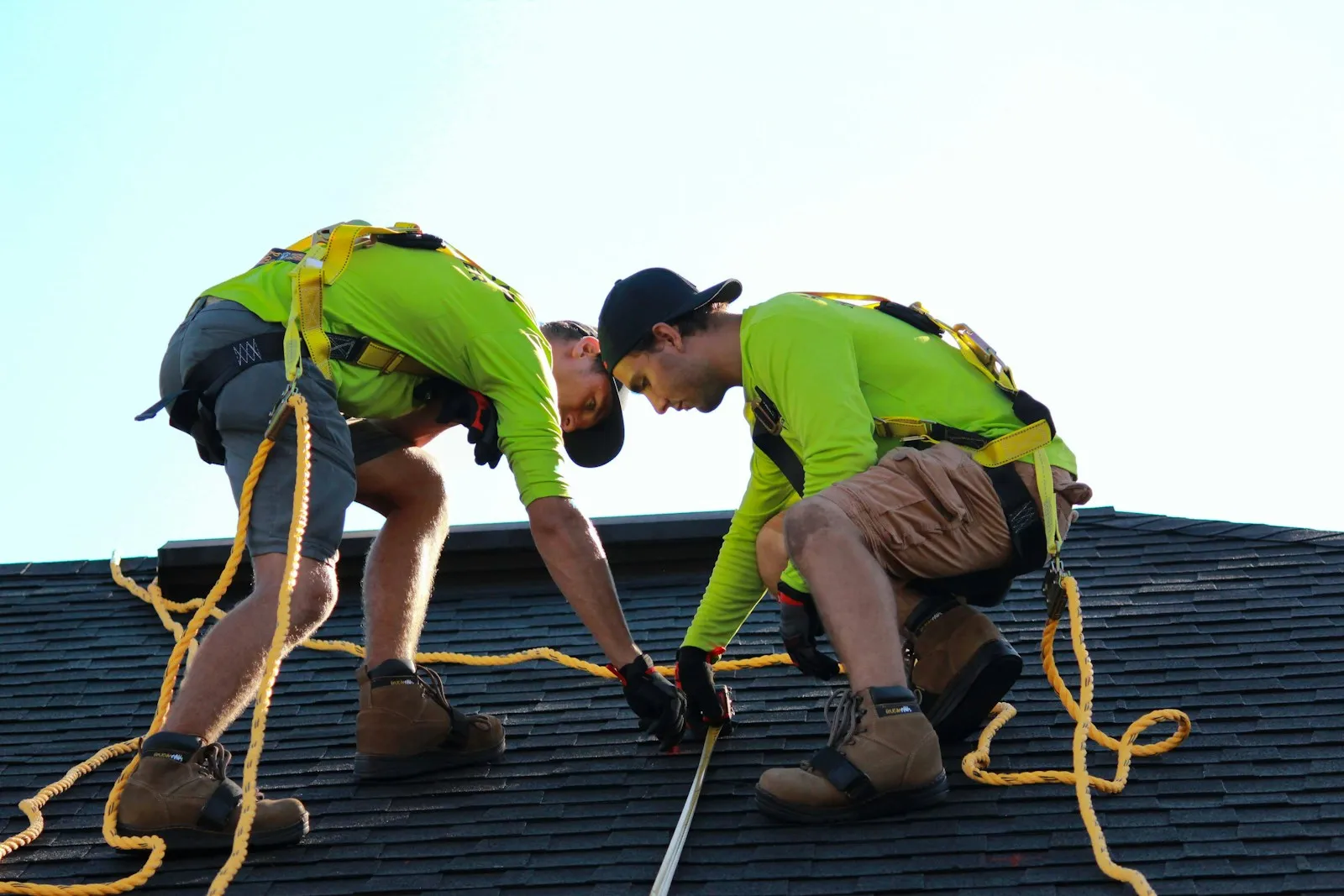
Storm season is won before the storm
For roofing contractors, a single hailstorm or monsoon microburst can generate more calls in a week than a normal month. Phones ring nonstop, homeowners are anxious, and dozens of out-of-town crews show up looking for work. The companies that come out ahead are not always the biggest. They are the ones that planned their response before the first call came in.
This playbook walks through how to prepare, how to respond in the first 72 hours, and how to turn a burst of storm leads into long-term customers and referrals.
Part 1: Before the storm
Line up capacity
Talk to your material suppliers about storm-season allocations, confirm which subcontract crews you can call on, and know how many inspections and installs your team can handle per week. Overpromising timelines during a surge is the fastest way to lose trust.
Prepare your intake process
Write a simple storm intake script for whoever answers the phone. Capture the address, roof age, type of damage, whether there is an active leak, and whether the homeowner plans to file an insurance claim. Active leaks should be prioritized for emergency tarping.
Decide how you will handle overflow. Missed calls during a storm are missed jobs. AI call booking can answer every call, collect details and schedule inspections automatically when your office is buried.
Build your templates now
- An inspection checklist so every inspector documents the same things
- Estimate templates for common repair and replacement scopes in your price book
- Text and email templates for appointment confirmations, delays and follow-ups
- A one-page homeowner guide that explains what happens next
Part 2: The first 72 hours after a storm
Notify your past customers first
Your past customers already trust you. Within a day of a storm, send them a short message offering a free roof check. This builds goodwill and fills your schedule with warm leads before you spend anything on ads. Automated email and text campaigns make this a few clicks instead of a week of phone calls.
Respond fast to every new lead
After a storm, homeowners often contact several roofers and book the first one that responds. Confirm an inspection time the same day, send a reminder the day before, and let homeowners book directly through online booking on your website.
Triage, then schedule by area
Handle active leaks first. Then group inspections by neighborhood so inspectors are not crisscrossing town. Storm damage tends to follow a path, so clustering appointments along that path can significantly increase the number of inspections per day. Drag-and-drop scheduling with a map view helps dispatchers see where everyone is.
Part 3: Inspections that build trust
Thorough documentation separates professionals from storm chasers. Every inspection should include:
- Photos of each slope and close-ups of damage: bruised, cracked or missing shingles, granule loss, dented vents, flashing and gutters
- Interior photos of any water stains
- Roof measurements and material type
- A clear written summary in plain language
Store all photos and notes on the customer record so the office, estimator and crew lead see the same information. If the homeowner decides to file an insurance claim, organized documentation helps them through the process. Always be honest about what you find; recommending a replacement when a repair will do damages your reputation for years.
Part 4: Communicate through the backlog
During a surge, the biggest complaint is not price. It is silence. Homeowners who don’t hear from you assume you’ve forgotten them and call someone else. Set expectations early and update them often:
- Give a realistic timeline at signing, including material lead times.
- Send an update at every stage: estimate sent, approved, materials ordered, install scheduled, crew on the way.
- Give homeowners a customer portal where they can check status, view documents and pay.
- Call personally when a delay happens. Bad news delivered early is forgiven; bad news discovered is not.
Part 5: After the install
Storm work is a door-opener for years of business. Once the job is done:
- Collect final payment on site with mobile payments.
- Ask for a review while the homeowner is happy; automated review requests make it consistent.
- Offer a referral reward. Neighbors on the same street often had the same storm.
- Schedule a free annual roof check to stay top of mind for gutters, maintenance and future storms.
Frequently asked questions
How quickly should a roofing company respond to storm leads?
As fast as possible. Homeowners often call several roofers and book the first one that responds, so answering every call and confirming an inspection time the same day wins jobs.
What should a storm damage inspection include?
Photos of each slope, close-ups of damage, interior water stains, measurements and a written summary that helps the homeowner understand the damage and supports any insurance claim they file.
How can roofers prepare before storm season?
Line up crews and suppliers, train staff on storm intake, set up overflow call handling, prepare templates and build a list of past customers to notify after a storm.
The bottom line
Storm season rewards roofers who are prepared, fast and transparent. Build your intake process and templates before the storm, respond within hours, document every roof thoroughly and keep homeowners updated until the last nail. Amplafide’s roofing software brings call booking, scheduling, photos, estimates, customer updates and payments into one system built for busy seasons.
See how Amplafide can help
Flat pricing for your whole team: $150/mo for up to 5 users. No contracts, no setup fees.